Friday, February 27, 2009

A Taste of Japan: Bento (boxed lunch)

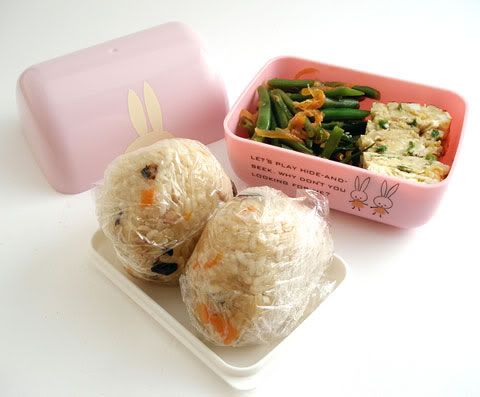
In Japan, a packed lunch isn't just having your parents make you a peanut butter and jelly sandwich with an apple, it's an elaborate and competitive presentation. Traditionally, bento boxes look very fancy, with many different compartments and lacquered wood. Today, bento boxes have different pictures like hello kitty or flowers and are made up of aluminum and plastic. Bento boxes can be lunches for a picnic, private parties, school, or work. For a child, a bento box symbolizes the love and affection of their parents and how popular they will be in school based on how their bento box looks. Parents have to show their love in other ways, because of Japan's customs of not showing emotion to others. A bento box usually consists of white rice or noodles and side dishes such as tofu, meat, eggs, fruit, or vegetables. This is all planned out with the parents giving the right amount of food to keep their children healthy. Other types of bentos are Aiso (girls make it for their crush), Sake (rice with a slice of salmon), Tori (rice, vegetables, chicken), Sushizume (filled with sushi), etc. You can buy bentos at any local Asian store or make it at home adapting the bento to your own tastes. Here's a link to make your own onigiri (sticky rice) bento:
http://justbento.com/bento-no-37-onigiri-bento-box-action-okowa-sticky-rice-onigiri


sources: http://www.airandangels.com/bentobox/intro.html

Thursday, February 26, 2009

A Taste of Japan: Tea Ceremony

Green tea isn't just an antioxidant that's healthy for your body. At least in Japan, green tea has very important uses that go back centuries ago in China. In 727 A.D., the Chinese court presented the emperor of Japan tea as a gift, which later came from Buddhist monks who started planting tea leaves around Japan. Tea became so popular in Japan that it led to special tea ceremonies. Today, Japanese tea ceremonies or cha-no-yu, which means "hot water for tea", is a symbol of harmony, respect, purity, and tranquility. There are many types of tea ceremonies, but the most known is the chaji, meaning a full tea presentation with a full, but light meal. There are usually only 4 guests that participate and should know how to use chopsticks, since they are a vital component of the tea ceremony. Preparing for a tea ceremony can take years to learn the precision and art. The tea room is very plain, except for a Buddhist scroll and a small fire. Before the tea ceremony can begin, guests must wait for their tea presenter to let them in by first purifying themself. After each guest greets the host with a bow, they are given rice to eat with each course of the meal, miso soup to eat with raw fish, and pickled vegetables. After this, the first course meal begins with nimono (simmered foods in broth), yakimono (grilled foods), suimono (clear soup that cleanses the palate), and sake (rice wine). The second course begins with hassun (a variety of seafood, vegetables, or meat) to represent the abundance of the sea and mountains, yuto (hot water with brown rice) that is accompanied by konomono (pickles). Finally the third course ends with a sweet dessert and tea. After the guests leave, people meticulously clean the tea room and await the new guests. This might be one of the most complicated ceremonies to participate in, but it will teach people the deep spirituality of Japan.


sources: http://en.wikipedia.org/wiki/Japanese_tea_ceremony,
http://www.holymtn.com/tea/Japanesetea.htm

Wednesday, February 25, 2009

A Taste of Japan: Sushi Time!

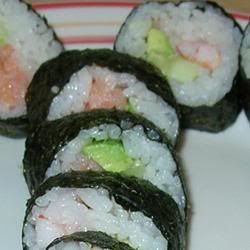
Sushi, which means snack and rice doesn't contain any raw fish like many believe. In Japan, sushi is an old time favorite that combines raw fish and vinegared rice. Fish was later added to sushi during the 7th century when China introduced raw fish. Raw fish was used in fermentation with salt to preserve it longer and then eaten with rice. There are many different kinds of sushi: Nigari-zushi (a ball of rice added with wasabi and some kind of fish), Maki-zushi (sushi rolls wrapped seaweed), Inari-zushi (deep-fried tofu pouches stuffed with rice), and Chirashi-zushi (rice with mixed vegetables and fish). Most people usually dip their sushi with soy sauce, wasabi, or pickled ginger, that is suppose to help your palate. Sushi is a very nutritious food that has everything needed for a healthy diet such as omega 3 fatty acids, carbs, iodine, and vitamins. It's also very low in fat, with 7-9 pieces of sushi equaling 400 calories, but you still should eat sushi in moderation. Today, the making of sushi has evolved into an art form, with many chefs adding their own creative techniques. Sushi always begins with making the rice, where you should only use short-grain white rice that you can buy in any local Asian store. The rice should be at least a month old to make it easier to absorb the water and vinegar. Then when adding raw fish, always make sure the color of the fish is bright and has no strong smell. Most importantly, clean your cooking utensils and hands thoroughly. Here's a recipe to make delicious smoked salmon sushi rolls (you will need a bamboo mat or you can use a pastry sheet to roll the sushi):

Ingredients

2 cups of rice
6 tablespoons of rice wine vinegar
6 sheets of nori (seaweed)
1 avocado-peeled, pitted, and sliced
1 cucumber-peeled and sliced
8 ounces of smoked salmon, cut into long strips
(you can substitute with different fish or vegetable)
2 tablespoons of wasabi paste (optional)

Soak rice for 4 hours.
Drain rice and cook in a rice cooker with 2 cups of water.
Rice must be slightly dry as vinegar will be added later.
Immediately after rice is cooked, mix in 6 tablespoons rice vinegar to the hot rice.
(tip: you can also add 2 teaspoons of brown sugar in the rice vinegar to add extra flavor)
Spread rice on a plate until completely cool.
Place 1 sheet of seaweed on bamboo mat, press a thin layer of cool rice on the seaweed.
Leave at least 1/2 inch top and bottom edge of the seaweed uncovered.
This is for easier sealing later.
Dot some wasabi on the rice.
Arrange cucumber, avocado and smoked salmon to the rice.
Position them about 1 inch away from the bottom edge of the seaweed.
Slightly wet the top edge of the seaweed.
Roll from bottom to the top edge with the help of the bamboo mat tightly.
Cut roll into 8 equal pieces and serve.
Repeat for other rolls and enjoy your sushi!


source: http://allrecipes.com/Cook/10923420/Profile.aspx


other sources: http://allrecipes.com/Recipe/Smoked-Salmon-Sushi-Roll/Detail.aspx,
http://www.eat-japan.com/sushi_perfect/sushi_perfect.html
Monday, February 23, 2009

A Taste of Japan: Vending Machine


http://www.cscoutjapan.com/en/

Any culture can be influenced by many changes economically, socially, and even technologically. In Japan, technology and culture combine together with the invention of the handy vending machine. The vending machine began in the beginning of the 1900s with a stamp vending machine. Today, vending machines in Japan can sell anything a person could need from an umbrella to udon (Japanese noodle soup), even with walking robot vending machines. There are over 5 million vending machines in Japan with the most popular items being different types of clothing, hygiene products, and drinks. These vending machines have been evolving to fit environmental concerns with solar powered vending machines covered in moss. In America, most people know vending machines to sell snacks or drinks and where you can only put your money or credit card through. In Japan there are some vending machines with face recognition to stop minors from buying certain items like cigarettes, touch-screens with maps, customized cappuccino machines, or vending machines where people have to watch a 30 second commercial for a free item. Many of these vending machines are very visually pleasing to people, with bright colors and creative designs to show the innovativeness of Japan. So make sure to definately check out the vending machines when visiting, they won't be hard to find!


http://www.flickr.com/photos/sanchome/


sources: http://pingmag.jp/2008/06/16/vending-machine-extravaganza/

A Taste of Japan: Food Etiquette

Japan, also known as "Land of the Rising Sun", is a beautiful and diverse island in East Asia. In Japan, everything is smaller, but in larger quantities. Japan mixes both traditional and modern ways into their culture, where a visitor can experience the night life in Tokyo or have a traditional tea ceremony in the geisha district Gion. Japan's culture combines influences from Asia, America, and Europe, making it very accessible for visitors to relate with. Traditional ways of Japan include: origami, dance performances(kabuki), tea ceremonies, Budo, swords, sumo (Japanese wrestling), and flower arranging ceremonies. Some moderns ways of Japanese culture include: Manga (Japanese comic book), video games, Anime (Japanese animation), night clubs, vending machines, and karaoke. With food, Japan varies in every region of its island, from many different types of seafood, meat, noodles, vegetables, and fruits. Foods can be boiled, steamed, deep-fried, or raw. Japanese culture also has many dining rules such as using a hot towel before eating, using chopsticks with your right hand when eating rice, using a separate dish for soy sauce, and always being very appreciative to the people who invited you over or to servers in a restaurant. One final rule not to be taken lightly is to not be a picky eater and eat every grain of rice in your bowl to show gratitude.

sources: http://en.wikipedia.org/wiki/Japanese_cuisine

Friday, February 20, 2009

A Taste of Taiwan: Healthy Breakfast

Rice porridge or congee is a low fat breakfast dish that is made with rice. It has a bland taste, but added with vegetables like sweet potato or garlic sauce and meat such as beef or chicken, it can be as tasty and comforting as chicken soup on a rainy day. You can also eat congee with side dishes like pickled cucumber salad or anchovies with peanuts that you can find at a local Asian market. Congee is such a known dish in Taiwan because rice is the most important staple in their diet. In Taiwan, most people have a rice cooker, but you can also make it on your stovetop by boiling clean rice in a pot for 18 minutes and then letting it absorb all the water for 15 minutes. The rice should be cooked until the grains have grown twice their size or have completely disintegrated to develop the texture for the creamy rice porridge. Congee is a very filling meal and can also be eaten for lunch or dinner. A typical meal would consist of light breakfast like congee, lunch either boxed(bento) or eaten in a restaurant, and dinner that includes soup, rice, vegetables, and a meat dish. Although, many Taiwanese people are using more vegetarian dishes in their diet. Here is the recipe to make your own congee:

Ingredients:

1/2 cup rice (not quick-cooking)
3-4 cups water (may use chicken/vegetable broth)
2 pieces boneless skinless chicken breasts, cut to thin slices
1 tablespoon garlic, minced
1 tablespoon ginger, minced
1 tablespoon oyster sauce
1 tablespoon soy sauce
1 dash black pepper (according to your taste)
6 pieces shiitake mushrooms, julienned


Garnishes

2 tablespoons scallions, chopped

sesame oil

black pepper or white pepper

Rice cooker: Dump all ingredients (except garnishes) into rice cooker, turn it on and stir occasionally, until congee is smooth and no longer grainy.

Stovetop: Combine all ingredients (except garnishes) in a medium saucepan, bring to boil over medium heat then turn down heat and let simmer until water has been absorbed.

Add more water/broth if necessary (for both methods)

Sprinkle with black/white pepper, a few drops of sesame oil and chopped scallions just before serving for 4 people. Enjoy!


Have a great weekend and will continue cultural foods in Japan on Monday!


sources: http://www.recipezaar.com/Easy-Rice-Congee-76014, http://www.eatingchina.com/recipes/rice-porridge.htm

Thursday, February 19, 2009

A Taste of Taiwan: Sinni Kionghi!


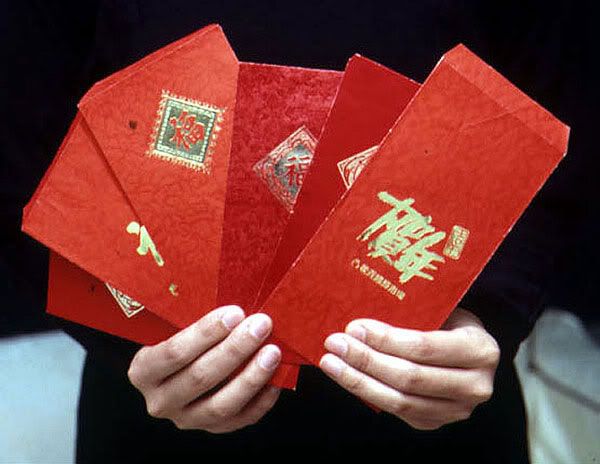
Even though New Years has already passed over a month ago in America, it's still a recent event in Taiwan because Chinese New Year was celebrated on Feb. 1st according the lunar moon calender. Chinese New Year or Lunar New Year is one of the most important days in Taiwan and other parts of Asia just like in America. Family and friends get time to enjoy with each other and celebrate. Its a time where people pay respects to their ancestors and Gods and decorate their houses to get ready for the new year. Many families and friends travel to each other exchanging good wishes for the new year and decorate their houses with paper scrolls saying "good fortune", "wealth", "longevity", etc. On New Years Eve, families will have a huge dinner, where each food has a different meaning such as the radish rice cake that means "prosperity" or dumplings that will help you amass fortune and wealth. After that, family members will hand out red envelopes to elders and kids filled with "lucky money" to bring in the new year. The days following after are filled with worshiping their Gods and performances from lion and dragon dancers on the streets. The ending festival is on the 15th day of the first moon and known as the Lantern festival, where lanterns decorated with birds, beasts, historical figures are carried by children and adorn temples. Here's the recipe to make your own Taiwanese New Years rice cake:

Ingredients:

Native or Thai rice 600g
Radish 1800g
Dried shrimp 38g
Dried shiitake mushroom 6 pcs.
Bacon 1/2 cup
3 cups of water
Cooking sheet, 1 sheet

Seasoning:
3 teaspoons of salt
1 teaspoon of pepper
1 teaspoon of sugar
1.5 teaspoons of Aji-no-moto
4 tablespoons of salad oil


Wash rice and soak them in water overnight.
Drain water from rice.
Add 3 cups of water to rice and turn them into puree with a food processor.
(Divide into twice or three times depending on the amount)
Cut radish into strips.
Soak dried shrimps and mushrooms in lukewarm water.
The cut dried shrimp, mushrooms, and bacon into small pieces.
Put salad oil into a frying pan, and fry the ingredients and then the radish.
Add seasoning. Add 2 and mix them enough.
Spread a cooking sheet into a steamer basket and put 5 on it.
Boil water in a steamer pot.
After water comes to a boil, put 6 on the pot.
Steam for about an hour over a strong fire and enjoy!

You can eat it plain or you can fry it with oil to give it a more savory and crispy flavor.


sources: http://www.gio.gov.tw/taiwan-website/5-gp/culture/lunar-NY/, http://www.s-i-a.or.jp/english/mimitaro/38eng.htm